

 Each year, millions of Americans undergo surgery, and more than half receive an opioid prescription. Yet one of the most important parts of the surgical journey is often overlooked: how pain will be managed afterward. For years, opioids have played a prominent role in postsurgical pain management. Today, advances in medicine offer more ways to manage pain effectively while reducing unnecessary opioid exposure when appropriate. As these options continue to evolve, patients deserve to understand the choices available to them.
As an orthopedic surgeon, I’ve seen pain management practices evolve throughout my career. Early in my training, postsurgical recovery followed a largely uniform pattern: a patient had surgery, and an opioid prescription followed almost automatically. It was rarely presented as a choice; it was simply standard practice. Over time, that approach has become more nuanced, with greater emphasis on tailoring pain management plans to each patient’s needs. While every recovery is unique, the goal remains the same: helping patients recover comfortably, safely, and confidently. That’s why these conversations should begin long before surgery. When patients understand the full range of available options, including non-opioid therapies, they are better equipped to make informed decisions with their healthcare team.
Pain management remains one of the most overlooked parts of the surgical journey. Patients may spend weeks preparing for the procedure itself by researching providers, learning about the operation, arranging time away from work and figuring out support at home. Yet, the discussion of how their pain will be managed afterward is often condensed into a brief exchange shortly before discharge. This is not a failing of any individual provider; it reflects the time constraints clinicians face when communicating complex information. As a result, some patients may leave the hospital without fully understanding the options available to them.
A Mission Beyond the Operating Room
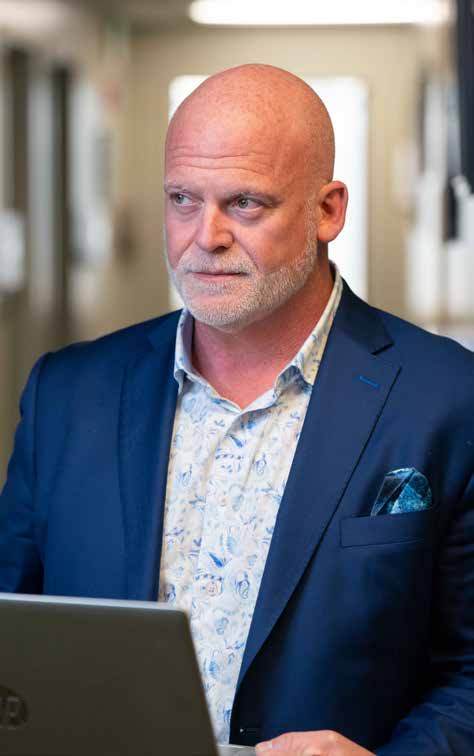 My passion for improving patient education around surgical recovery inspired me to launch March2AMillion, a nationwide initiative with a bold goal: helping one million patients recover from knee or hip replacement surgery with little to no opioids. Through work with hospitals, healthcare organizations, community events and patient advocacy groups across the country, the initiative raises awareness of today’s pain management options and encourages patients and providers to begin these conversations before surgery, not after.
The initiative grew out of a recurring pattern I saw in clinical practice. Patients would return for follow-up visits asking questions that should have been addressed before they entered the operating room. Could opioids have been avoided? Why were other pain-management options not discussed? By the time these questions arise, the opportunity to make a different choice has often already passed. March2AMillion is designed to shift that timeline so that these conversations happen during preoperative visits rather than after surgery.
One of the most common things I hear from patients is that they didn’t realize they had a choice. Many assume opioids are an expected part of recovery, often based on what they have heard from friends and family or experienced during a previous surgery. While opioids continue to play an important role in postsurgical care, today’s pain management landscape also includes non-opioid therapies that may be incorporated into individualized treatment plans when appropriate.
These options may include long- blocks, other non-opioid analgesics and multimodal approaches that address pain in different ways. When patients understand what is available, they can ask better questions, have more productive conversations with their providers and better understand what their recovery may look like.
Awareness Drives Better Decisions
Innovation alone isn’t enough if patients do not know their options. Education remains one of the most powerful tools we have. By encouraging patients to ask what pain management options are available, whether non-opioid therapies may be appropriate and what to expect during recovery, we can support a more informed and collaborative approach to care.
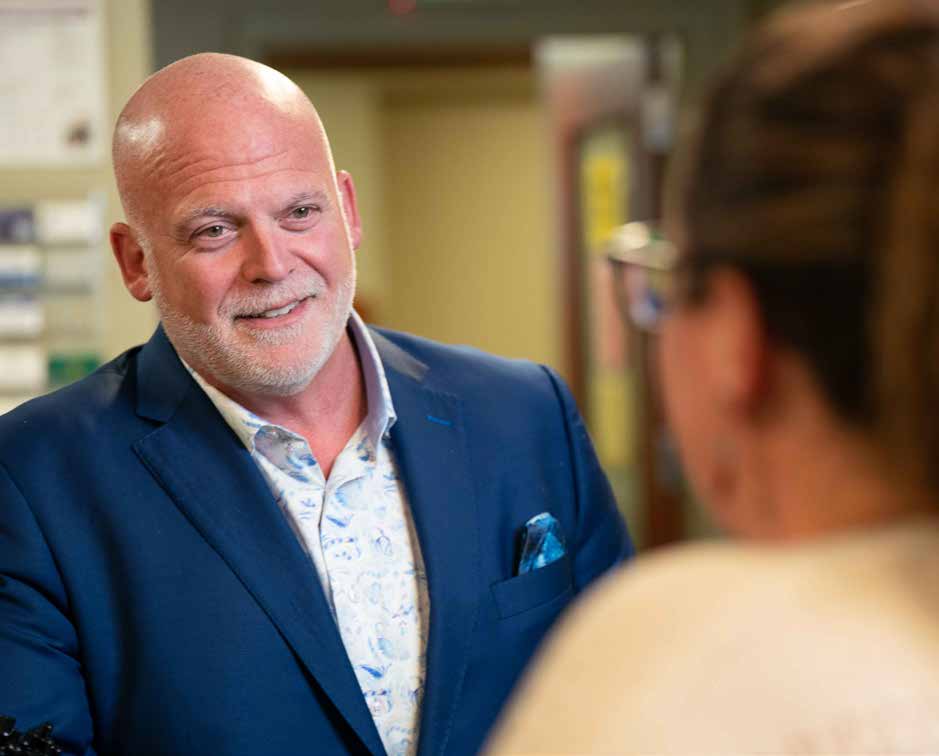 Even modest shifts in when these conversations happen can make a meaningful difference. When a patient enters a preoperative appointment having already considered a few key questions, the discussion with their surgical team becomes more substantive. It moves beyond a one-way delivery of instructions and becomes a genuine dialogue. In turn, the patient’s preferences, medical history, and any concerns about opioid use – whether rooted in past experiences, family history, or a desire to minimize exposure – are factored directly into the treatment plan. This kind of shared decision-making can help patients feel more informed and prepared as they head into surgery.
Through March2AMillion, I’ve had the privilege of meeting healthcare professionals and patients across the country who share the same goal: improving recovery through education, innovation, and personalized care. Whether I am speaking with providers about introducing non-opioid options earlier or with patients navigating their recovery, these conversations reinforce my belief that meaningful change begins with awareness. They also show that progress depends not only on new drugs, devices or protocols, but on earlier, and more open communication between patients and providers.
Thoughtful conversations about postsurgical pain management can also help patients understand the risks and potential side effects associated with opioids, including misuse, nausea and constipation. When patients and providers discuss the full range of available strategies, they can develop a plan that balances effective pain management with each patient’s needs and preferences. As non-opioid pain management continues to advance, we have an opportunity to redefine what patients expect from recovery. My hope is that every patient feels empowered to discuss their options before surgery and work with their healthcare provider on a pain management plan tailored to their individual needs. This is not about replacing one default with another; it is about replacing the notion of a default altogether with individualized plans built on open communication.
By continuing to educate, advocate, and encourage open dialogue, we can support efforts to reduce unnecessary opioid exposure while helping patients make informed decisions with their healthcare providers. One million conversations might seem ambitious, but each one begins the same way: with a patient asking what their options are and a provider taking the time to explore that with them. Learn more about my mission at March2Amillion.com. n
This article is sponsored by Pacira BioSciences Inc. Dr. Andrew Wickline is a partner of Pacira BioSciences.
2026 Pacira Pharmaceuticals, Inc., a wholly owned subsidiary of Pacira BioSciences, Inc.
PP-NP-US-2010 08/26