


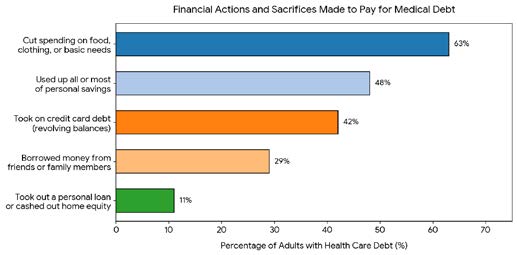
 Interesting conversation with a patient last week about their mounting health care debt. Higher premiums, higher deductibles, higher co-pays, more out of formulary uncovered meds all adding up to $45,000 in annual out of pocket costs.
Which led me to examine, what are the themes emerging nationally in health care and is anything different in the projections. The same top issues appeared in all my research, with health care affordability moving to the top of concerns.
Affordability has become the defining health care issue in 2026, more than technology or even access. National polling shows most people now describe health care costs as unaffordable, and about half of adults report difficulty paying their medical bills, even with insurance.
Families feel squeezed at every point: paying premiums, meeting deductibles, and then facing co‑pays and surprise bills when they actually use care.
These financial pressures directly shape behavior. Patients delay tests, skip follow‑up, or change providers based on what they think they can afford, while health systems under strain shorten visits, reduce staffing, or close services.
The result is the uneven care seen locally: some days the health system looks seamless; other days, cost and coverage barriers quietly derail care.
Medical debt is widespread and not limited to the uninsured. Tens of millions owe medical debt, and a substantial share of Americans experience “catastrophic” health costs where medical bills consume a large share of income after basic needs.
Managing Your Money states, “Healthcare providers, government programs and debt relief organizations offer various pathways to reduce or eliminate medical debt, but to take advantage of this type of relief, you’ll need to know which options are available and how to navigate them effectively. “ What options do you offer patients to pay for care over time, seek outside relief, or navigate the programs that can help them? Do patients know who to speak with in your practice? Insurers, and providers have multiple theories on what’s driving these increases, but the final impact rests with the patient. This picture looks unsustainable and calls us to look at how to reduce the patient impact. More preventative care without cost, better access using technology, employers creating purchasing of care and drugs? What are your associations advocating for the future?
Resources
GRAPHIC https://www.healthsystemtracker.org/brief/theburden-of-medical-debt-in-the-united-states/
https://www.commonwealthfund.org/topics
https://unitedstatesofcare.org/pr-2026-predictions/Kathryn Ruscitto, Advisor, can bereached
at linkedin.com/in/kathrynruscitto or at krusct@gmail.com